












Clean drinking water shouldn’t be a guessing game. Even if tap water looks clear, it can still contain chlorine, microplastics, trace metals, and other contaminants picked up from pipes and treatment processes. That’s where filtration comes in. Modern hydration systems – like bottle fillers and mains-fed water coolers – use advanced filters to ensure every refill is safe, great-tasting, and sustainable.
Why Filtration Is Essential
Health Protection
Municipal water is treated, but “treated” doesn’t mean impurity-free. High-quality filters reduce contaminants such as chlorine, lead, rust, pesticides, and even emerging compounds like pharmaceuticals and microplastics. This helps protect users in offices, schools, gyms, and public spaces where reliable hydration matters.
Better Taste Encourages Hydration
If water tastes or smells like chlorine, people avoid it. Filters remove taste- and odor-causing chemicals, making water crisp and refreshing. Better-tasting water = more hydration and fewer sugary drink purchases.
Trust and User Confidence
People use hydration stations when they trust the water. Clear filter indicators and certified systems signal reliability. When trust goes up, plastic bottle waste goes down.
Sustainability Benefits
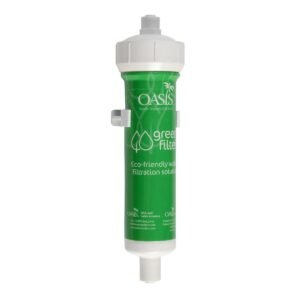
Filtered tap water reduces reliance on single-use plastic bottles. Many modern “green” filters also reduce filter waste by using reusable housings and replaceable internal media, minimizing plastic disposal over time.
Common Filter Types
Sediment Filters
First stage. Captures sand, rust, dirt, and particulates. Protects other filters from clogging and improves clarity.
Activated Carbon Filters
The workhorse. Removes chlorine, bad taste, odor, some chemicals, and can reduce heavy metals. The result: clean, neutral-tasting water.
Ceramic Filters
Great for microbial safety. Their microscopic pores block bacteria and cysts, often combined with carbon for full coverage.
Advanced Composite & Nano-Fiber Filters
High-performance modern filters. Capture micro-contaminants, reduce metals, chlorine, and even tiny emerging contaminants. High capacity, long life, and strong overall protection.
Most hydration stations combine two or more of these filters to handle a wide range of contaminants efficiently.
Certifications to Look For
When choosing filters, certifications prove performance:
- NSF/ANSI 42: Improves taste, odor, and clarity (chlorine reduction).
- NSF/ANSI 53: Reduces contaminants with health risks (like lead and cysts).
- NSF/ANSI 401: Targets emerging contaminants such as microplastics and pharmaceuticals.
- NSF/ANSI 372: Confirms lead-free materials in the unit.
If a system lists these certifications, the claims aren’t marketing – they’re verified.
Benefits of Quality Filtration
- Great taste and smell encourages hydration
- Health protection against invisible contaminants
- Easy maintenance with long-lasting cartridges and simple replacements
- Cost savings vs bottled water
- Lower environmental impact, especially with reusable filter designs
- Longer dispenser lifespan, thanks to reduced scale and sediment buildup
Conclusion
Filtration is the core of clean and enjoyable hydration. Whether in workplaces, public buildings, or home environments, modern water dispensers with certified multi-stage filtration provide safe, great-tasting water while reducing plastic waste. With the right filters, a hydration station becomes more than a water source – it becomes a trusted, sustainable, and health-forward solution.
Clean water should be simple. A smart filtration system makes it that way.